
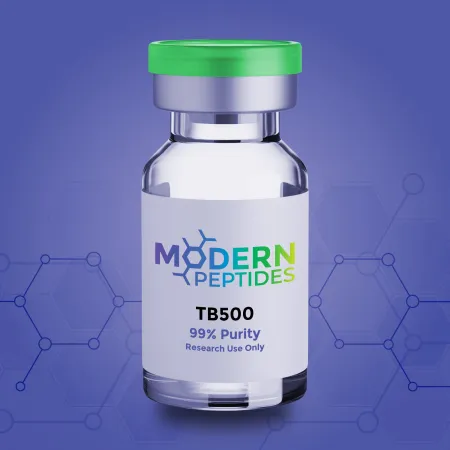
Description
Navigating the Search to Buy TB-500: Purity, Science, and the Changing Landscape
TB-500 is a synthetic peptide that mimics the active region of Thymosin Beta-4. Dealing with a nagging injury that just won’t seem to heal can be incredibly frustrating. Whether it’s a stubborn shoulder impingement, a persistent hamstring pull, or general joint inflammation, standard rest and physical therapy sometimes leave you looking for an extra edge.
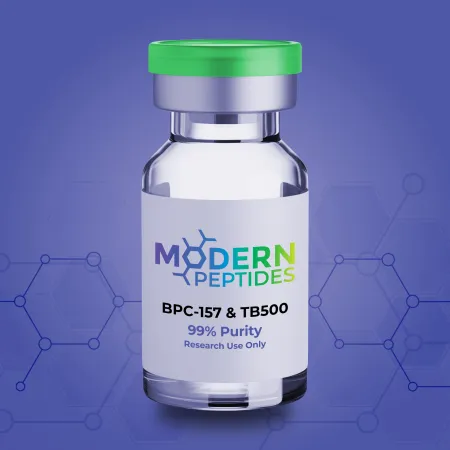
Lately, it has been impossible to scroll through wellness spaces or biohacking forums without running into the Wolverine Stack—the colloquial name for combining the peptides BPC-157 and TB-500. Promoted for its potential to accelerate cellular repair, tissue regeneration, and reduce systemic inflammation, TB-500 has surged into mainstream curiosity.
However, if you are looking to buy TB-500 online, navigating the marketplace requires a careful understanding of the science, the current legal framework, and how to verify product quality.
What is TB-500?
TB-500 is a synthetic peptide that mimics the active region of Thymosin Beta-4. It is found in high concentrations in blood platelets and wound fluid, playing a pivotal role in the body’s innate response to injury.
Unlike many growth factors, It has a low molecular weight, allowing it to travel long distances through tissues. This makes it systemic, meaning it doesn’t just work where you inject it; it finds the areas of the body that need repair.
How it Works: The Mechanism of Action
TB-500 functions primarily through its interaction with Actin, a vital cellular protein.
-
Actin Sequestration: It regulates the polymerization of actin, which is essential for cell mobility and structural integrity.
-
Angiogenesis: It promotes the growth of new blood vessels, ensuring damaged tissues receive the oxygen and nutrients needed for recovery.
Key Benefits & Mechanism of Action
The primary function of Frag 17-23 is its interaction with Actin, a vital protein involved in cell structure and movement. By binding to actin, the peptide helps cells move to the site of an injury to begin repairs.
1. Accelerated Wound Healing
It significantly speeds up the repair of skin, muscle, and connective tissues. It is often studied for its ability to treat “slow-to-heal” injuries like tendonitis or ligament tears.
2. Reduced Inflammation
Unlike many recovery aids that simply mask pain, TB-500 works to downregulate pro-inflammatory cytokines, addressing the root cause of swelling and discomfort.
3. Enhanced Angiogenesis
Frag 17-23 promotes the growth of new blood vessels (angiogenesis). Improved blood flow ensures that oxygen and nutrients reach damaged tissues more efficiently.
4. Flexibility and Range of Motion
By preventing the formation of excessive adhesions and fibrous “scar” tissue, it helps maintain flexibility in muscles and joints after an injury.
The Legal and Regulatory Reality of TB-500
Before clicking add to cart, it is vital to know where this product stands legally. The regulatory landscape around peptides is shifting rapidly.
Important Legal Context: As of today, TB-500 is not FDA-approved for human consumption and remains classified as a research chemical. Furthermore, it is strictly banned at all times by the World Anti-Doping Agency (WADA) for competitive athletes.
Interestingly, due to overwhelming consumer demand and evolving medical data, the FDA’s Pharmacy Compounding Advisory Committee has scheduled reviews to evaluate whether TB-500 and BPC-157 should be safely permitted for customized pharmaceutical compounding by licensed pharmacies. For now, however, the open online market remains unregulated
Formats and Common Protocols
When you buy TB-500 from high-purity suppliers, it typically arrives as a white, freeze-dried powder in a glass vial. To make it usable, researchers reconstitute the powder using bacteriostatic water (sterile water mixed with 0.9% benzyl alcohol to prevent bacterial growth).
Because there are no FDA-approved guidelines for human use, research models and anecdotal biohacking communities typically observe systemic protocols rather than localized applications:
-
Reconstitution: Typically 2ml to 3ml of bacteriostatic water per 5mg vial.
-
Observed Dosages: Anecdotal protocols often cite 2mg to 5mg of TB-500 per week, frequently split into two separate administrations, for a cycle of 4 to 6 weeks.
-
Synergy: It is frequently paired alongside BPC-157, as the two are thought to target distinct biological pathing mechanisms for recovery (BPC-157 focusing heavily on collagen synthesis, and TB-500 handling cell migration).
TB-500 vs. BPC-157: What’s the Difference?
Many researchers often stack TB-500 with BPC-157, but they work through different pathways:
| Feature | TB-500 (Frag 17-23) | BPC-157 |
| Primary Focus | Cell Migration & Systemic Repair | Angiogenesis & Gut Health |
| Reach | Highly systemic (travels easily) | Often localized or digestive-focused |
| Mechanism | Actin-binding | Growth factor upregulation |
Potential Side Effects and Safety
While generally well-tolerated in laboratory settings, users should be aware of potential reactions:
-
Lethargy: Some report temporary tiredness immediately after administration.
-
Headaches: Occasional reports of “head rushes” due to rapid changes in blood flow.
-
Injection Site Redness: Common with most peptide therapies.
Note: TB-500 is currently classified as a “Research Chemical” and is not FDA-approved for human consumption. It is also listed on the WADA Prohibited List, making it banned for use in professional sports.
TB-500 Frag 17-23 represents a surgical approach to recovery. By isolating the most potent part of the Thymosin Beta-4 molecule, it offers a concentrated way to trigger the body’s innate healing mechanisms. Whether for chronic injury research or tissue regeneration studies, it remains one of the most promising tools in the peptide pharmacopeia.
Reviews
There are no reviews yet.