
Description
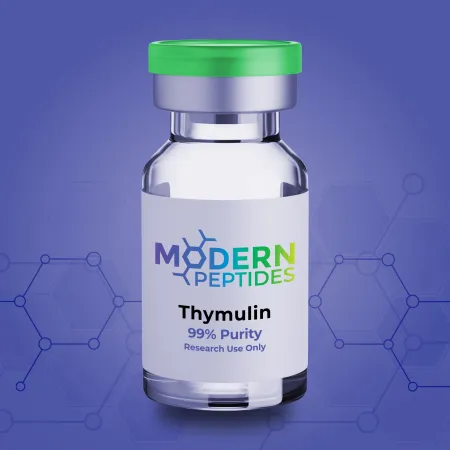
Reclaiming Vitality: What to Know Before You Buy Thymulin
The human immune system is a complex network that requires precise signaling to function effectively. At the heart of this system is Thymulin, a potent peptide hormone that acts as a primary conductor for immune defense.
In the ever-evolving world of cellular health and wellness, few compounds have gathered as much attention recently as thymulin. As an immune-modulating peptide, it plays a foundational role in how our bodies defend, repair, and balance themselves.
If you are looking to buy Thymulin for your research or personal wellness routine, understanding exactly what this peptide does—and how to source it safely—is the most important step you can take.
What is Thymulin?
Thymulin is a natural hormone produced by the epithelial cells of the thymus gland. Chemically, it is a nonapeptide (Glu-Ala-Lys-Ser-Gln-Gly-Gly-Ser-Asn). Its biological activity is uniquely dependent on zinc; without a zinc ion attached, the peptide remains inactive.
The Role of Thymulin in Immune Function
The primary responsibility of Thymulin is the maturation and differentiation of T-lymphocytes (T-cells). T-cells are the “soldiers” of the immune system, responsible for identifying and destroying pathogens and abnormal cells.
-
T-Cell Maturation: It stimulates the transformation of immature T-cells into functional, specialized units.
-
Cytokine Regulation: Thymulin helps balance the production of cytokines, reducing systemic inflammation.
-
Zinc Synergy: It acts as a carrier, ensuring zinc is utilized effectively within the immune signaling pathways.
Key Benefits of Thymulin for Health
1. Enhanced Immune Response
By promoting T-cell health, Thymulin strengthens the body’s ability to fight off viral and bacterial infections. It is often studied for its potential to restore immune function in individuals with immunodeficiencies.
2. Anti-Aging and Longevity
The thymus gland naturally shrinks as we age (a process called thymic involution), leading to lower levels of Thymulin. Supplementing or supporting Thymulin levels is a major area of research in “inflammaging”—the chronic low-grade inflammation associated with getting older.
3. Neuroprotective Properties
Emerging studies suggest that it may cross the blood-brain barrier and exert anti-inflammatory effects on the central nervous system, potentially offering benefits for cognitive health.
4. Support for Skin Health
Thymulin has been explored in topical applications for its ability to support hair follicles and skin regeneration, making it a “hidden gem” in the world of peptide-based skincare.
What to Look For When You Buy Thymulin Online
Because the peptide market can be difficult to navigate, buying from a reputable source is non-negotiable. If you are searching for where to buy Thymulin online, always keep these quality standards in mind:
-
Proper Storage and Handling: Thymulin is a delicate compound. Ensure your supplier ships using temperature-controlled packaging or provides clear instructions on reconstitution and storage.
-
Transparent Labeling: Reliable suppliers clearly state the exact milligram content and whether the product is intended for laboratory research or specific therapeutic applications.
Can I order from Florida peptides safely?
Yes you should be confident to order from us because we don’t just offer you great products we top it by making sure your products get to you safely, & correctly. We ship within the US and our products are shipped in protective plastic clamshells inside a quality product box that is sealed for protection. The box is placed into a fitted bubble sleeve that is sealed and finally packaged safely into crush-proof B-fluted cardboard box mailers. we are confident your order will arrive in the best condition possible and can always rely on a good experience with us.
How to Support Natural Thymulin Levels
Since the product is zinc-dependent, maintaining adequate zinc levels is the most effective way to ensure the peptide remains active.
-
Zinc-Rich Foods: Oysters, beef, pumpkin seeds, and lentils.
-
Stress Management: High cortisol levels are known to accelerate thymic involution.
-
Peptide Research: Scientists continue to investigate synthetic Thymulin analogs for therapeutic use in autoimmune and inflammatory conditions.
Final Thoughts
Thymulin is more than just a hormone; it is a vital link between our endocrine and immune systems. Whether you are focused on longevity or simply staying healthy during flu season, understanding the role of this zinc-dependent peptide is key to optimizing your internal defenses.
What is Thymulin? (Scientific Overview)
This video link provides a deep dive into the biological functions of thymic peptides and their impact on human health.
Reviews
There are no reviews yet.